Leak Symptom Assessment
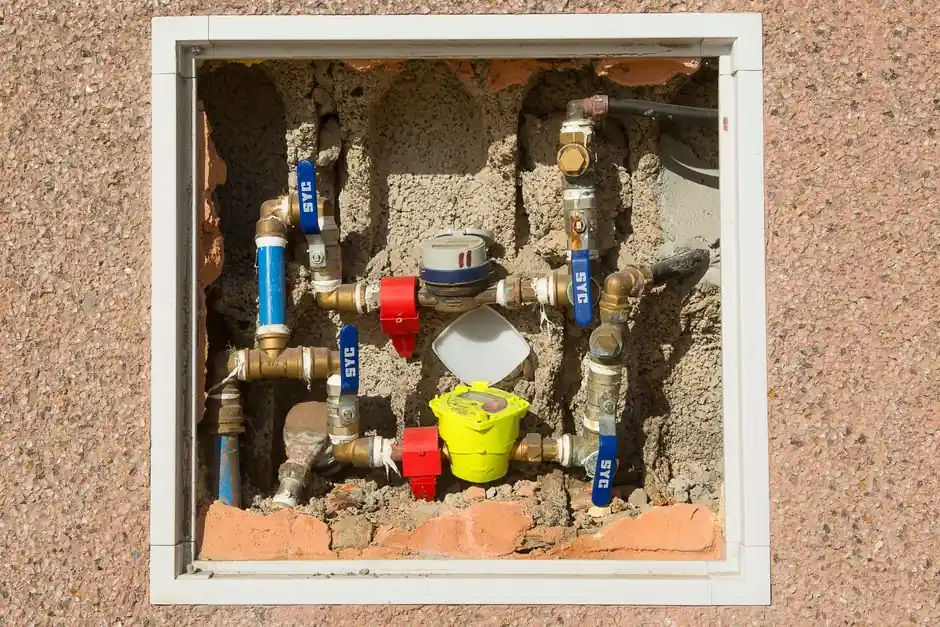
We document where moisture appears, check meter activity and accessible fixtures, and ask when the symptoms occur. This helps separate a supply leak from condensation or a fixture problem before we choose detection equipment.
Our service covers symptom review, targeted testing, leak localization, an agreed pipe repair, and verification of the repaired line. We explain the findings and the repair price before work starts. Extensive finish restoration, mold remediation, and replacement of unrelated plumbing are separate work because they address different conditions; we identify those needs clearly so you can plan the next step without confusing them with the pipe repair.
We document where moisture appears, check meter activity and accessible fixtures, and ask when the symptoms occur. This helps separate a supply leak from condensation or a fixture problem before we choose detection equipment.
We use suitable pressure, acoustic, camera, or moisture checks to narrow the leak location. The test plan follows the pipe material and access conditions, so the diagnosis is based on readings rather than the stain alone.
After identifying the failure, we isolate the line and repair or replace the damaged pipe or fitting with compatible materials. We keep access focused on the confirmed repair point and explain the work before completing it.
We restore water service, inspect the connection, and test the repaired section for leakage and stable operation. You receive a clear account of what failed and whether drying or finish work remains.
Water Pipe Leak Detection and Repair in North Carolina is a plumbing service that identifies a leaking water line and restores it before continuing moisture damages the building. We begin by checking visible fixtures, shutoff valves, meter movement, and pressure, then narrow the leak location with suitable detection equipment. Depending on the pipe and access, we use acoustic listening, thermal imaging, moisture readings, or a camera inspection. Once we identify the source, we explain the repair options, isolate the affected section, make the repair, and test the line before closing the work area.
Homes across North Carolina face different leak triggers: a frozen pipe during a mountain cold snap, a pinhole leak in copper pipe in an older house, or a failed fitting concealed behind a renovated wall. Coastal humidity can make small leaks harder to distinguish from condensation, while heavy rain can complicate signs around a foundation. Our North Carolina water pipe leak detection and repair service tracks the actual water path instead of relying on guesswork. If you need to find and repair a hidden water pipe leak in North Carolina, early testing can limit demolition and help prevent further water damage.
Water pipe leak locating and plumbing repair in North Carolina follows a practical sequence: establish the symptoms, isolate the affected section, pinpoint the source, complete the repair, and test the system. You will know what we are checking and why before work moves from diagnosis to repair.
Schedule
Call or book online — a real human picks up and confirms a 2-hour arrival window.
Diagnose
Licensed tech inspects on-site, then walks you through the cause and your options.
Fix
The job is completed to code and done right the first time — no shortcuts, no surprises.
Guarantee
Every job backed by a written workmanship warranty — and we stand behind it.
Electronic acoustic leak detector
We listen for leak noise carried through pipe and building materials, comparing several points to narrow the source. It is especially useful when a supply line is concealed behind a wall or beneath a floor.
Infrared thermal imaging camera
We scan for temperature patterns that can indicate hot-water movement or damp areas. Thermal readings guide further testing; we confirm the likely leak with pressure or moisture checks rather than relying on an image alone.
Moisture meter
We measure relative moisture in accessible surfaces and compare wet and dry areas. The readings help map the spread of water damage and identify where a focused inspection or opening is most useful.
Pipe inspection camera
We use a camera where the pipe route and access allow visual inspection of an interior section. The view can help identify obstructions, damage, or a route that needs further testing before repair.
Pressure test pump
We apply a controlled test to an isolated plumbing section and watch for pressure loss. The test helps confirm whether a line is leaking and supports verification after the repair is complete.
RIDGID pipe locator
We use a pipe locator to trace compatible pipe routes and narrow the area for investigation. Knowing the route helps avoid blind cuts or excavation when the leaking line is concealed.
Isolate and pressure-test
We close or separate plumbing branches so the test focuses on the suspected line. A controlled pressure check shows whether the isolated section holds, helping distinguish a supply leak from a fixture or unrelated moisture issue. We record the useful readings and retest the repaired section before restoring normal service.
Confirm with multiple readings
We do not treat a single warm spot or damp reading as a confirmed leak. Our team compares acoustic, thermal, and moisture evidence with pipe layout and pressure results. When those findings point to the same area, we can make a more targeted access opening and reduce exploratory damage.
Material-matched repair
We identify whether the line is copper, PEX, or another compatible plumbing material before choosing a joint or replacement section. Proper tools and fittings matter: a repair method suitable for one pipe type is not automatically suitable for another. We complete the connection and test it under service conditions.
Code-conscious verification
We carry out plumbing repairs with applicable North Carolina plumbing code requirements and relevant model-code provisions in mind. Drinking-water components are selected for their intended use, and the repaired line is checked for leakage and function. Where a permit or additional regulated work applies, we explain the required next step.
01
What we do: We isolate the bathroom supply branches and check their pressure before tracing the area with moisture and acoustic readings. If the leak is inside a wall or ceiling, we mark the likely source and make a focused opening for repair rather than removing broad sections of finished surface.
→ You learn whether the supply pipe is leaking, get the affected connection repaired, and can direct drying toward the area that actually became wet.
02
What we do: We shut down the affected line, assess whether ice remains, and use pipe thawing equipment when conditions call for it. After thawing, we inspect joints and pipe walls for cracks, replace damaged material, and test the line at operating pressure.
→ Water service returns after the damaged section is repaired, and you know which exposed areas need insulation before the next freeze.
03
What we do: We verify the meter movement, isolate branches, and pressure-test the main or supply line. When results point to a buried or concealed section, we use a pipe locator and targeted detection to identify the repair area before excavation or interior access.
→ The leak is narrowed to a specific line, unnecessary digging is reduced, and the repaired system is checked for continuing water loss.
04
What we do: We inspect appliance connections and the nearby supply branches, then test the line that serves the wet area. If the source is a hidden pipe rather than the appliance hose, we locate the failure, replace the damaged fitting or section, and verify the connection under normal flow.
→ You get a confirmed source and a working supply line, with less risk of recurring moisture under the cabinet or behind the appliance.
Water Pipe Leak Detection and Repair in North Carolina must account for a wide range of building conditions. In the western elevations, cold snaps can freeze exposed lines; near the coast, humid air and wind-driven rain can make condensation and storm moisture look like plumbing leaks. Older homes may have copper pipe and concealed joints, while newer construction often uses PEX tubing routed through walls or floors. We test before opening surfaces and select the repair method for the actual pipe. Our water pipe leak locating and plumbing repair team works with applicable North Carolina plumbing code requirements and checks that drinking-water components are suitable for their use. If you need a plumber to locate a leaking water pipe behind a wall, tell us what changed, where the stain is, and whether your meter moves with fixtures off. That information helps us arrive prepared to test the right line, limit disruption, and confirm the repair before the wall or floor is restored.
Greensboro residential areas
Homes with finished basements or remodeled kitchens can conceal supply branches behind new surfaces. We use pressure and moisture checks to target the right wall or floor section before access.
Greenville neighborhoods
A damp cabinet or ceiling can come from an appliance connection or a concealed supply line. We isolate the nearby branches first so the repair addresses the source rather than the visible stain.
Oak Island homes
Coastal humidity can complicate the difference between condensation and a pipe leak. We compare line pressure and surface moisture to confirm whether plumbing is feeding the wet area.
Southern Pines properties
A mix of older and updated plumbing means pipe material and prior renovations matter. We identify the line and existing fittings before selecting a compatible repair.
Cold mountain nights increase risk for exposed and poorly insulated pipes.
A frozen pipe can restrict flow before it splits, then begin leaking during thaw. We check exposed runs and nearby fittings after flow returns, because a crack may be hidden behind insulation or a wall.
Coastal humidity can imitate moisture from a plumbing leak.
Condensation on cool lines or surfaces can create dampness without a failed pipe. We compare moisture patterns with pressure testing and line behavior before recommending a pipe repair, avoiding work based on surface appearance alone.
Older renovations can leave concealed joints behind finished surfaces.
A remodeled room may hide pipe routes that do not match visible fixtures. We use available plans, test results, and locating equipment to trace the line before opening finishes, then check adjacent connections for corrosion or movement.
Water damage often starts where you cannot see it: behind a wall, beneath flooring, or at a buried supply line. Our team finds the source, repairs the plumbing failure, and checks the line so you are not left treating a stain while water continues to escape.
Problem
A concealed supply leak can keep soaking ceiling material and framing, leading to a larger repair area and persistent dampness even when the bathroom fixtures appear normal.
Our Fix
We test the likely supply branches, compare moisture readings, and use acoustic or thermal tools to trace the wet path. Once the source is confirmed, we open the smallest practical area, repair the pipe or fitting, and retest before recommending drying or finish restoration.
Problem
Continuous water loss wastes treated water and can undermine soil or damage nearby surfaces if the leak sits outdoors or beneath a slab.
Our Fix
We isolate the main and branch lines to determine which section is losing pressure. A pipe locator and pressure test help narrow the route, after which we repair the damaged section and confirm the meter remains still when fixtures are off.
Problem
Heat and moisture can spread beneath flooring, loosening adhesives and wetting the subfloor before a visible puddle forms at the edge of the room.
Our Fix
We compare floor temperatures, check line pressure, and trace the likely hot-water route. If testing confirms a leak, we explain the access point, repair the pipe, and verify the line before you arrange drying or floor repairs.
Problem
A temporary patch can hide corrosion or a damaged pipe edge, allowing water to escape again and spread behind cabinets or insulation.
Our Fix
We inspect the pipe around the failed joint, remove compromised material, and install a compatible permanent connection. After restoring service, we check the new fitting and nearby section so the repair addresses the cause rather than only covering the drip.
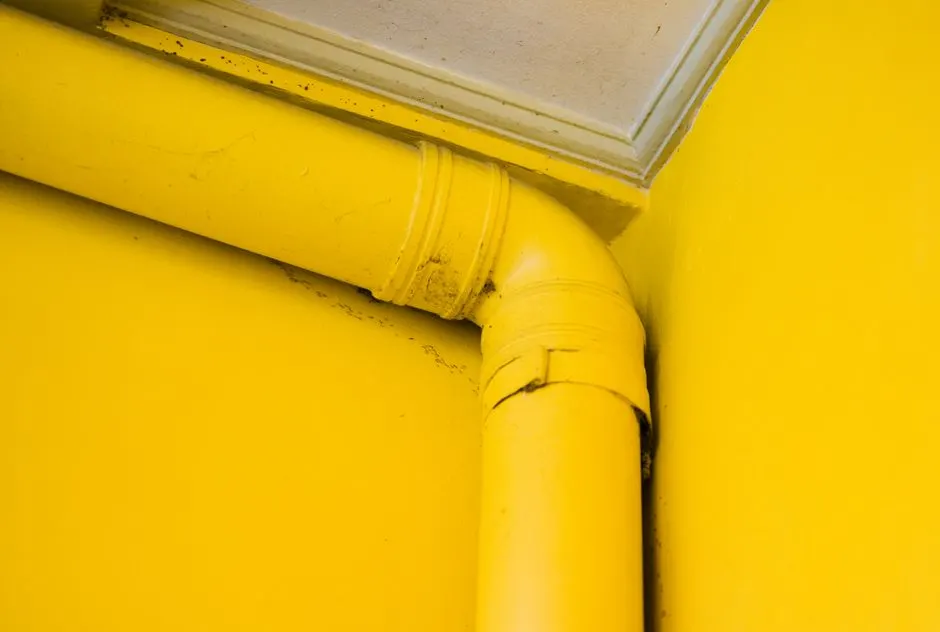
A useful leak visit does more than stop a drip. We locate the source, explain what failed, and leave you with a tested repair and a clear account of the affected line. That makes it easier to protect finishes, plan any follow-up work, and avoid reopening the same wall or floor to chase an unresolved leak.
Less Unnecessary Opening
We use targeted readings to narrow the wet area before cutting into drywall, cabinetry, or flooring. A moisture meter can map dampness, while an electronic acoustic leak detector helps distinguish pipe noise from household sounds. The goal is a smaller access point and a direct repair, not exploratory holes across your room.
A Tested Water Line
After the repair, we restore water and check the affected section for leaks and pressure stability. That final test matters after a burst water pipe, a corroded connection, or a failed PEX fitting because a dry-looking patch alone does not prove the line is holding.
Earlier Damage Control
A slow hidden water line leak can soak insulation, subfloor, and framing long before a ceiling stain appears. Calling promptly helps you stop active water loss and arrange drying sooner. We also identify whether the source is a supply pipe, fitting, or nearby fixture so the next step is clear.
Repair Matched to Pipe
Copper, PEX tubing, and CPVC pipe need different repair methods and compatible fittings. We match the repair to the existing material and access conditions, then verify function rather than forcing a one-size-fits-all patch. This helps keep your system serviceable and reduces the risk of a mismatched connection.
Customer feedback Not stated
A customer in Greensboro described a ceiling stain that continued growing even though the bathroom fixtures looked dry. Our team traced a concealed fitting leak, replaced it through a focused opening, and tested the line before leaving. The customer reported that the moisture source stopped and the repair area was smaller than expected.
Customer feedback Not stated
A homeowner near Oak Island called after the water meter continued moving with every fixture shut off. We tested the supply, located a buried damaged section, repaired it, and confirmed the meter stopped. The customer valued getting a specific source rather than digging along the entire pipe route.
Customer feedback Not stated
In Southern Pines, a warm patch beside kitchen cabinets pointed to a concealed hot-water leak. We checked the line, repaired the failed connection, and retested it under normal use. The homeowner said the explanation made it clear which floor area needed drying and which plumbing work had been completed.
Our team handles leak diagnosis across residential supply lines, concealed branches, and main water connections throughout North Carolina. We work with common pipe materials and use a North Carolina plumbing contractor license as the baseline for code-related plumbing work. Repairs are planned around the North Carolina plumbing code and relevant International Plumbing Code provisions, with drinking-water components selected to meet applicable NSF/ANSI 61 and NSF/ANSI 372 requirements. We do not guess from a stain: we test, locate, repair, and verify. You get a clear explanation of the failure and what will prevent the same point from leaking again.
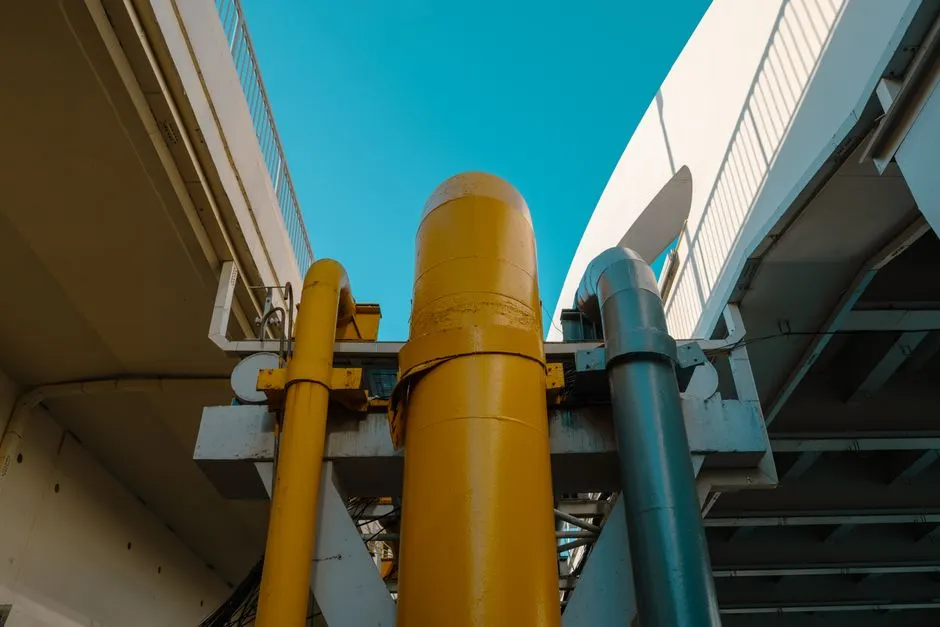
We provide water pipe leak locating and plumbing repair across North Carolina, with service routes reaching the Piedmont, eastern communities, the Sandhills, and coastal areas. Each call begins with the symptoms and building layout so our team can bring appropriate detection equipment and plan for local access. Whether your leak is in a remodeled home, a slab, or a buried supply line, we locate the source and test the repair. Coverage includes these 15 communities and surrounding service areas.
We trace ceiling stains, wet cabinet bases, and unexplained meter movement in Greensboro homes, using targeted testing to identify the supply line before opening finished walls.
Our team checks fixture branches and concealed water lines when Greenville residents find persistent dampness or falling pressure, then verifies the repaired section.
For Holly Springs homes with modern concealed piping, we use pressure and moisture readings to narrow a leak location and keep access focused.
We help Morrisville homeowners distinguish appliance leaks from hidden supply-line failures, testing the likely branch before replacing pipe or fittings.
In Shelby, we investigate meter movement, damp walls, and damaged pipe connections, then match the repair method to the existing plumbing material.
Our Lumberton leak calls include indoor supply leaks and buried line concerns; we isolate the system and test the repair before restoring normal use.
We inspect concealed lines and older fittings in Southern Pines properties, using targeted readings to locate water before it damages floors or cabinetry.
Piney Green residents can call us for pressure loss, wet areas, or suspected pipe breaks; we trace the affected branch and verify the finished repair.
We locate hidden pipe leaks in Kings Mountain homes by combining pressure checks with moisture or acoustic readings, then repair compatible pipe and fittings.
Cold-weather pipe concerns and indoor water stains in Mount Airy receive a focused inspection, with attention to exposed lines and concealed joints.
Coastal humidity can resemble plumbing moisture, so in Oak Island we compare surface readings with pressure results before identifying a leak source.
We test Roxboro supply lines when water pressure falls or a meter moves unexpectedly, locating concealed failures before planning access or excavation.
In Porters Neck, our team checks both visible connections and concealed supply routes, then confirms the repair has stopped active water loss.
Selma homeowners can get help tracing damp ceilings, wet cabinets, or unexplained water use; we isolate the affected line and test after repair.
We investigate hidden leaks in Mocksville properties with material-matched testing and repair, keeping the access area tied to the confirmed failure.
Real answers to the questions we hear most often from local homeowners and property managers.
A split pipe can release water faster than a slow hidden leak, so immediate isolation and repair come first. We stop the flow, remove damaged material, and test the replacement section. Leak detection helps confirm whether the visible break is the only failure or another concealed leak needs attention.
View Emergency Burst Pipe RepairIf water is actively flooding a room or a pipe fails overnight, our emergency plumbing service addresses the immediate hazard. We locate the shutoff, control the water, and diagnose the affected line. Once the urgent repair is stable, we explain any additional detection or drying steps.
View 24/7 Emergency PlumbingA burst water line can affect a home's supply, yard, or foundation area. We test the line, pinpoint the damaged section, and replace or repair the failed pipe. A final pressure check helps confirm the repair and distinguish a resolved break from a second leak.
View Burst Water Line RepairDuring a hard freeze, a pipe can split as ice expands, even if the leak appears only after temperatures rise. We thaw the affected section safely, inspect for cracks and failed joints, and repair damaged pipe. Insulation and exposure points are reviewed to reduce repeat freezing.
View Frozen Pipe Thawing and RepairA slab leak can show up as warm flooring, unexplained water use, or moisture along a foundation edge. We use pressure testing and targeted locating to identify the affected line before discussing access and repair. The right plan depends on pipe route, slab construction, and the extent of water damage.
View Slab Leak Detection and RepairA leaking main water line can cause low pressure, wet ground, or continuous meter movement. We test the line, locate the failure, and repair the damaged section or connection. Afterward, we verify service pressure and check that the meter stops moving when the system is isolated.
View Main Water Line RepairIf a pipe has burst, call North Carolina Burst Pipe Pros at +12525387381 for help locating the shutoff and arranging repair. Emergency service is available 24/7, and our team serves homes and businesses across the state. Tell us where water is showing, whether the supply is still running, and what type of pipe you can see; that helps us prepare for the call.
Phone
+12525387381Address
North Carolina
Hours
Mon–Fri: 7AM – 7PM
Sat: 8AM – 4PM
Sun: Emergency Only
24/7 Emergency Available